SHINCHUKYour operating partner
PORTAL / ORGANIZATIONAL INTELLIGENCE

How do your decisions play out in everyday work?

Explore the gap between the direction leaders set and the meaning people take from it. Examine the judgments behind real situations at work, then try a different action or operating practice.

Discuss PORTAL Use case
Illustrative example · Screens adapted for public presentation
SHINCHUK / PORTALNORTHSTAR / WORKSPACE Selected material
Session archiveWeekly operations reviewOPS–024
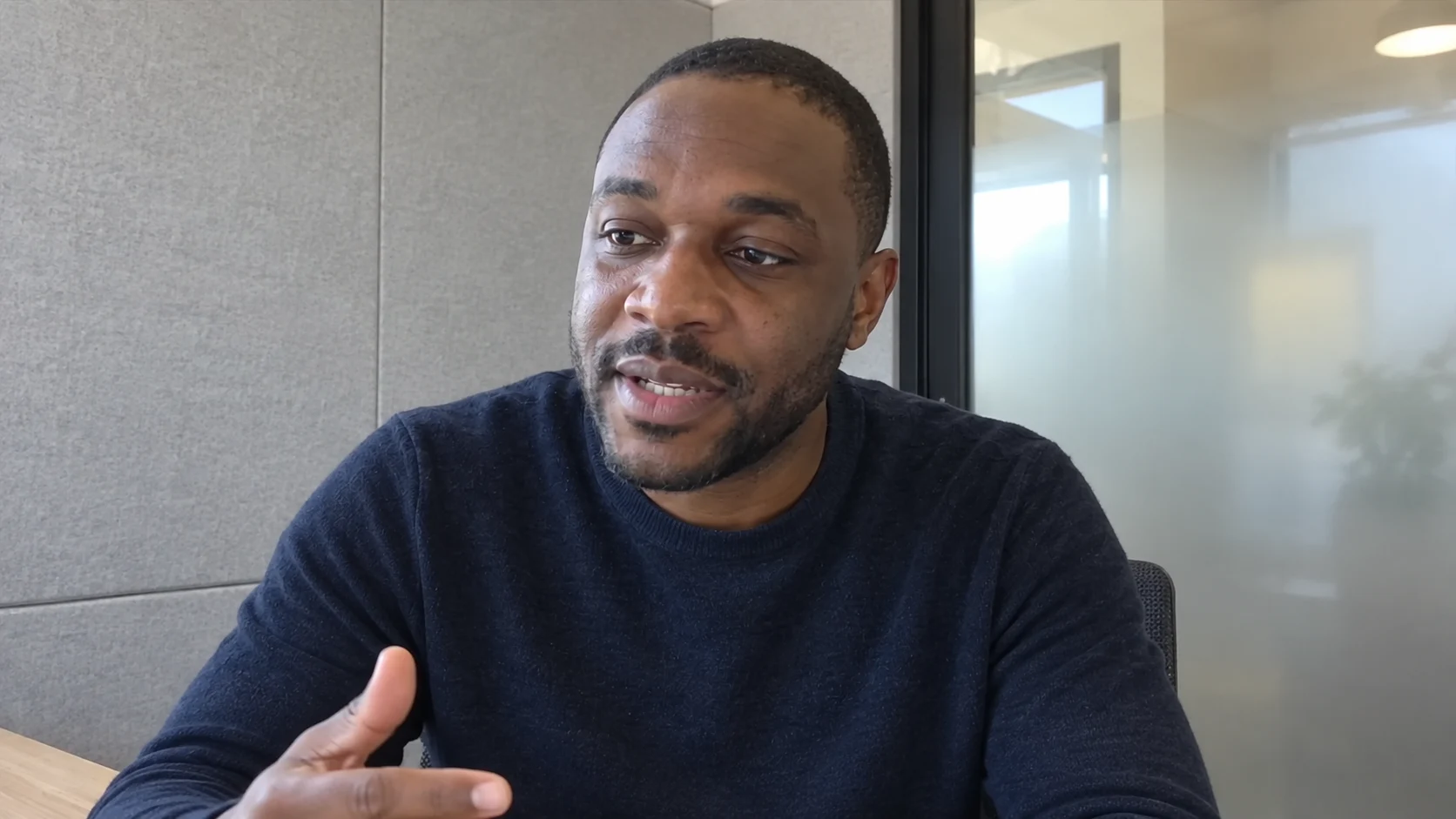
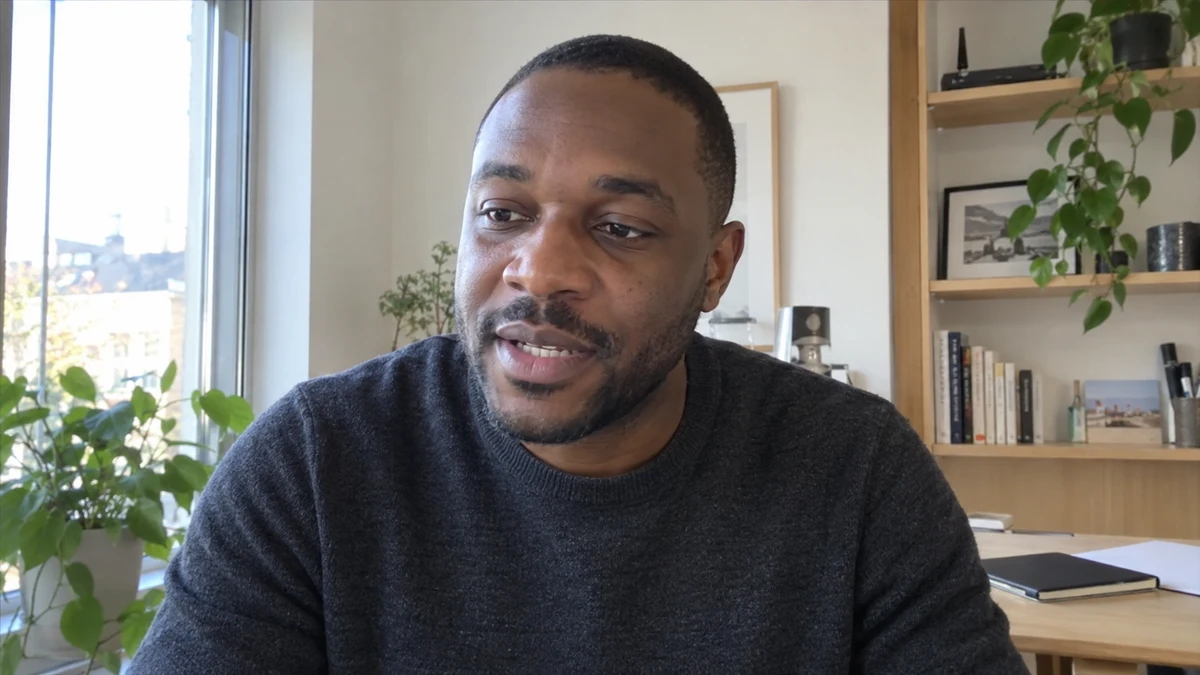
Daniel Martin SESSION RECORDING
Daniel MartinCustomer Operations
I said we could take it on. I hadn’t checked which delivery would have to move.
08:24
32:18
Situation / Perspective / Next action / OutcomeSHINCHUK PORTAL
ONE SITUATION. THREE PERSPECTIVES.

When someone says “yes,”
do we hear the same thing?

INTENT / CHOICE / CONDITIONS

A shared direction. Different reasons for choosing.

PORTAL combines a dedicated company workspace with regular conversations, coaching and leadership reviews. Individual experiences become a starting point for examining how the organization decides and works together.

01 / Leadership intent

What do responsibility and collaboration mean here?

Compare the behavior leaders expected when they said “take ownership” with what people actually understood.

02 / Everyday judgment

What guides the choices people make?

Use actual conversations and records to explore how people understood a situation, what concerned them, and which choices they thought were available.

03 / Operating conditions

Are the conditions in place for a different choice?

Examine how workload and information are shared, who can change priorities, and when and how people can ask for help.

FROM A MOMENT TO AN OPERATING RULE

What operating assumptions were behind that “yes”?

A team member accepted an urgent order without raising a conflict with existing deliveries. Leadership heard a considered commitment; the team member understood responsibility as accepting the request first.

The review goes beyond one person’s communication. It examines how capacity becomes visible, who decides priorities and whether people can raise a constraint.

Follow the situation through to an operating change
SHINCHUK / PORTALNORTHSTAR / WORKSPACE Selected material
Session archiveShared review notesOPS–024
SHARED REVIEW / 004Draft for discussion

What did “taking responsibility” mean?

One situation. Different assumptions. A shared question.

01 / WHAT WAS DESCRIBED

A priority order was accepted before existing delivery commitments were discussed.

02 / A PERSPECTIVE TO EXPLORE

Accepting first may have felt like being dependable. That is a possible explanation to check with Daniel, not a conclusion about him.

Emma · Question for the team

“Did our request leave room to explain the constraint?”

03 / OPERATING CONDITIONS
  • Was the existing workload visible?
  • Who could change the delivery priority?
  • When had raising a concern felt easier?
Situation / Perspective / Next action / OutcomeSHINCHUK PORTAL
Organizational operating scenario
A CONTINUOUS REVIEW

From an interpretation to the next real-world test.

Go beyond “communicate more proactively.” Agree on an action to try in the next task and the conditions the organization needs to change.

  1. 01

    Revisit the situation

    Separate what happened from the meaning the participant gave it.

  2. 02

    Examine assumptions and conditions

    Review recurring choices, leadership expectations, roles and authority together.

  3. 03

    Choose the next experiment

    Define what the participant will try and which operating conditions leaders will adjust.

  4. 04

    Review the outcome

    Distinguish taking an action from its result, and revise the initial interpretation where needed.

THE WORKSPACE

Return to the evidence, whenever you review.

Explore the portal’s session, history and review features through a business scenario.

Return to the conversation and its context.

Find sessions by date and participant. Review meeting images and speaker transcripts together, and save a moment to revisit in your next conversation.
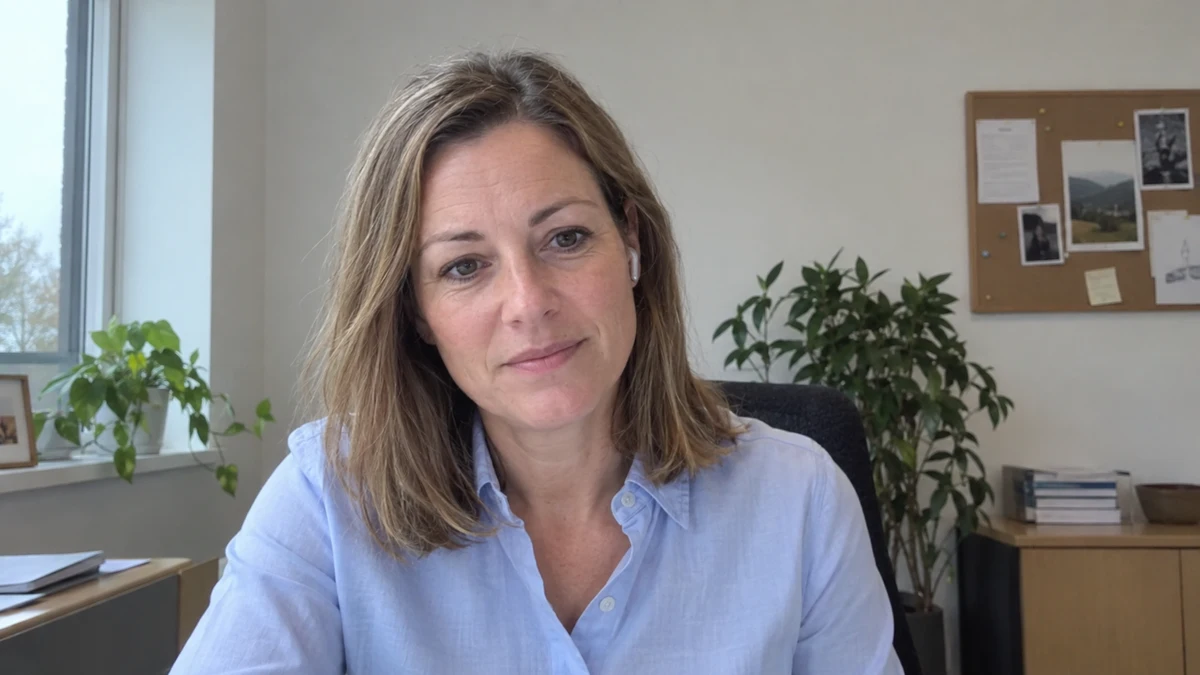
Illustrative example · Screens adapted for public presentation
SHINCHUK / PORTAL Session Archive
Northstar team only

Customer handoff review

Customer Operations · Host: Emma Wilson · 20 Oct 2026
Meeting recording
Excerpt 09:12
42:16
Transcript 6 excerpts
Participant clips
AI meeting summaryLinked to transcript

The team agreed that a handoff is complete only when the receiving owner confirms the customer context, delivery constraints and next step. The checklist will be tested against three recent cases.

3 assigned actions2 decisions
PEOPLE + PORTAL

Bring people’s experience and leadership judgment into the same review.

Records connect one conversation to the next. Regular dialogue and coaching create time to examine those records in depth.

Interpret the experience with the participant.

Participants explain the situation and assess whether an interpretation fits their experience. AI summaries and analysis are material to examine, not conclusions that define a person.

Examine leadership expectations and operating conditions.

Look for recurring working conditions in experiences agreed for sharing. Review how leaders make requests, allocate authority and distribute work, alongside collaboration practices.

Compare the moments that went well, too.

Explore when it felt easier to raise a concern, and which questions or division of responsibility supported better judgment. What worked becomes a practice worth preserving.

Agree on access and sharing first.

Distinguish personal records from material reviewed across the organization. Confirm access for participants, operators and leadership, what can be shared, and the scope of recording and AI use before the engagement.

Participants, service scope and enabled features are agreed for each company.

START WITH A REAL SITUATION

Start with a situation that keeps coming up.

Agree on the issue, the participants and the records to share, then shape the engagement around your company.

Discuss PORTAL